Complete Guide to planning your business immigration case
Full-Scope Immigration Law Support for Your New Chapter
Maneuvering the complexities of immigration can be daunting for many individuals. Comprehensive immigration law services offer crucial support, guiding clients through the intricate processes involved. From learning about various options to preparing residency and citizenship applications, these services play an key role in reaching immigration goals. However, many still face challenges along the way. What are the most frequent obstacles, and how can one effectively overcome them?
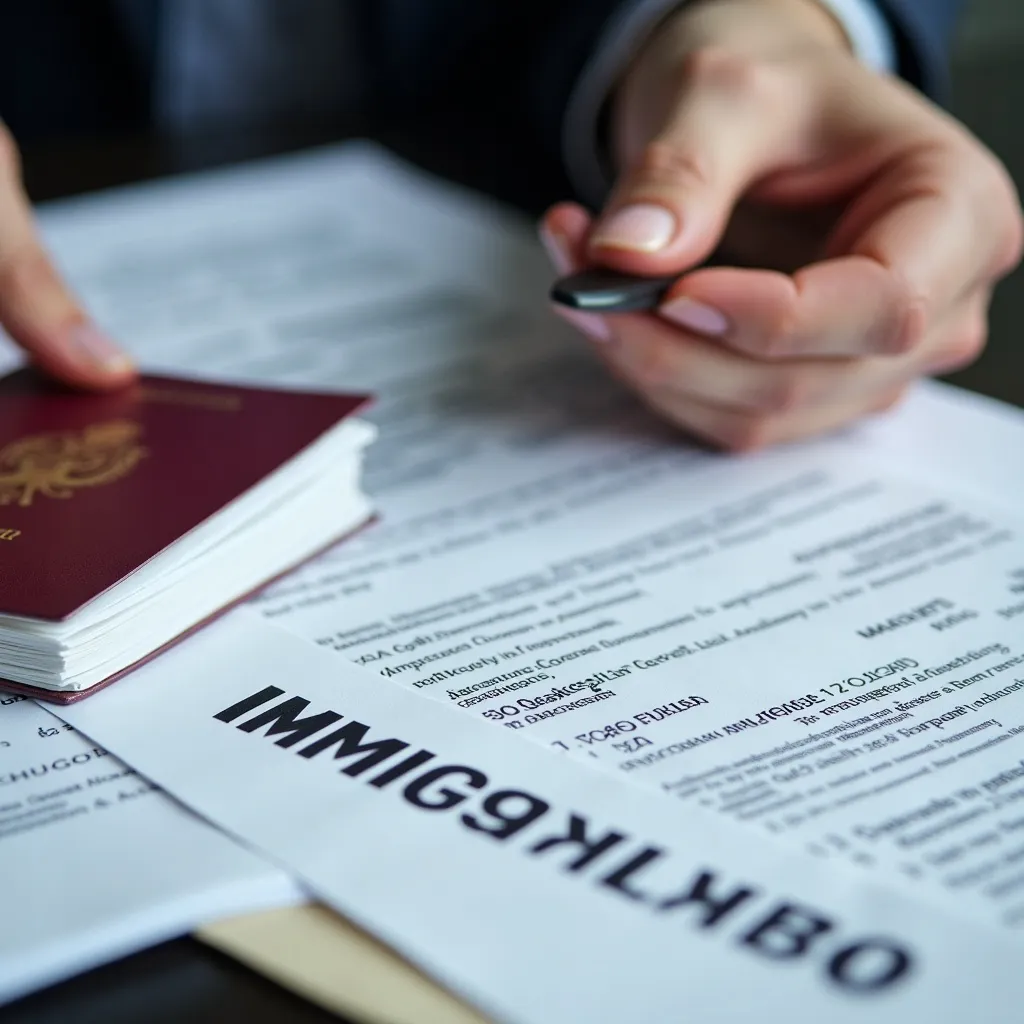
Understanding Immigration Legal Services: What to Anticipate
What should one anticipate when pursuing immigration law services? Individuals often anticipate an structured approach that directs them through the intricacies of immigration processes. Initially, a consultation typically assists identify distinct needs and conditions. Legal professionals examine eligibility for various immigration options, ensuring clients obtain personalized advice.
Clients should also expect a comprehensive explanation of pertinent laws and regulations, as well as perspectives into possible challenges. A crucial aspect of immigration law services is the preparation and filing of essential documents. Lawyers help in collecting required evidence and accurately filling out forms, which minimizes the chance of delays or denials.
Moreover, prompt dialogue is crucial; clients should anticipate regular updates concerning their case status. Ultimately, effective immigration law services strive to simplify the journey, offering clarity and support throughout the often challenging process of immigration.
Fundamental Entry Types and Necessities for New Settlers
Navigating the landscape of immigration can be difficult, especially when identifying the essential categories and prerequisites for newcomers. Common categories encompass family-sponsored, work-related, student, and refugee . Each type has distinct qualification standards and documentation requirements.
Family-sponsored require proof of the relationship with a U.S. citizen or copyright, while employment-based demand a job offer and labor certification from an employer. Student need admission from a recognized educational institution and evidence of financial support.
Furthermore, asylum are accessible for individuals fleeing oppression, requiring extensive documentation to prove eligibility. Candidates must also be aware of processing costs, processing times, and possible consultations. Comprehending these categories and their prerequisites is vital for newcomers to ensure a easier transition into their fresh start. Adequate preparation can greatly improve the probability of a successful application.
Finding the Right Immigration Attorney for You
Determining the right immigration lawyer necessitates deliberate thought of numerous important aspects. Analyzing their experience and expertise, understanding the expenses concerned, and inspecting their learn about this communication style are essential steps in this procedure. A thoughtful selection can considerably impact the resolution of an immigration dispute.
Assessing Experience And Specialized Skills
Selecting the correct immigration lawyer may significantly determine the final result of a case, which makes it essential to appraise their experience and capabilities in detail. Clients looking for representation should assess the lawyer’s background in immigration law, noting the number of cases dealt with and particular areas of practice, like family-based or employment-based immigration. Evaluating their success rate in similar cases can give insight into their effectiveness. Moreover, checking client testimonials and pursuing recommendations can assist in measuring their track record. It is also beneficial to verify any professional affiliations or certifications, as these often indicate a commitment to staying updated on immigration laws. In the end, a comprehensive evaluation ensures that individuals choose a lawyer able to manage their specific immigration challenges competently.
Comprehending Attorney Expenses
Comprehending legal fees is an important step for anyone needing immigration law services. Prospective clients should understand that fees can vary considerably based on criteria such as the lawyer's experience, the complexity of the case, and geographic location. Numerous immigration lawyers offer flat fees for certain services, while others charge hourly rates. It is important for clients to request a clear breakdown of costs and any potential additional expenses. Transparency in pricing helps avoid unexpected financial burdens. In addition, clients should inquire about payment plans or sliding scale fees, which can make legal services more accessible. Ultimately, understanding these financial components can enable clients to make informed decisions when selecting an immigration attorney.

Analyzing Communication Technique
Effective communication is a vital aspect when selecting an immigration lawyer. A lawyer's capacity to explain intricate legal matters in a clear and understandable manner can greatly impact a client's satisfaction. Potential clients should evaluate how attentive the lawyer is to inquiries and whether they can communicate information in a way that matches the client's needs. During initial consultations, clients should note the lawyer's ability to listen and willingness to address concerns. Effective lawyers not only provide legal advice but also create a welcoming atmosphere for transparent communication. Ultimately, selecting a lawyer whose communication style resonates with the client can result in a more beneficial relationship and enhance the overall immigration process. This alignment ensures that clients feel informed and supported throughout their journey.
Comprehending the Residency Steps
Working through the residency process can be a complicated process, as it includes multiple steps and legal requirements that vary by country. Individuals seeking residency must first establish the appropriate category, which often depends on factors such as employment, family connections, or humanitarian grounds. Gathering the necessary documentation is essential; applicants typically need proof of identity, financial stability, and health insurance, among other items.
Once submitted, applications face review, which may entail interviews or further questions. Timelines can vary widely, as some countries quicken processes for certain applicants while others take extended periods due to case backlogs or strict protocols.
Comprehending regional legal requirements is critical, as noncompliance can result in setbacks or refusals. Partnering with immigration legal professionals can deliver understanding and help people navigate this multifaceted process efficiently. In the end, readiness and understanding are vital ingredients in attaining successful residency status.
Pathways to Reach Legal Status
Obtaining citizenship demands a transparent sequence of stages that future citizens must pursue. This includes becoming familiar with eligibility criteria, guiding through the application filing, and making preparation for the citizenship interview process. Each component plays a significant role in successfully obtaining citizenship recognition.
Qualification Criteria Detailed
While the route to citizenship may appear challenging, comprehending the qualification criteria is vital for prospective applicants. To attain U.S. citizenship, persons must fulfill a number of criteria. They must be at least 18 years old, hold lawful permanent residency for a no less than five years, or three years if married to a U.S. citizen. Moral character must be sound, shown through a clean copyright. In addition, applicants must exhibit English language competence and grasp of U.S. history and government. Continuous residence in the U.S. is required, with absences not surpassing six months during the residency period. By becoming familiar with these requirements, applicants can better prepare for the next steps in their citizenship journey.
Application Filing Process Details
Grasping the application process is critical for individuals seeking U.S. citizenship, as every step necessitates careful consideration to detail. The journey begins with completing Form N-400, the Application for Naturalization, which requires applicants to furnish personal information and proof of eligibility. Following completion, applicants must pay the applicable costs and await a receipt notice. Next, biometrics appointments are scheduled to collect fingerprints and photographs for background checks. After processing, applicants get a notice regarding their interview, where they must exhibit knowledge of U.S. history and government. Finally, upon approval, applicants take the Oath of Allegiance, establishing their status as U.S. citizens. Each step is crucial toward achieving the ultimate goal of citizenship.
Naturalization Interview Coaching
Thorough preparation for the naturalization interview is vital for applicants working to achieve U.S. citizenship. This process generally involves several essential steps. First, candidates should acquaint themselves with the U.S. government structure, history, and civic responsibilities, as these topics are integral to the interview. Practicing answers to frequently posed questions can enhance confidence and clarity. Additionally, applicants must gather required documentation, including proof of residency and tax records. It is adble to review the U.S. Citizenship and Immigration Services (USCIS) materials and consider attending preparatory classes or workshops. Finally, applicants should plan to arrive early on the interview day to account for any unexpected delays, maintaining a calm and focused demeanor during the interview.
Overcoming Common Relocation Challenges
Managing the challenges of immigration can be overwhelming, particularly when confronted with common challenges such as denials, language barriers, and unfamiliar legal processes. Many individuals feel stressed during the application process, often due to inadequate documentation or misunderstandings of legal requirements. Communication difficulties can exacerbate these issues, hindering effective communication with immigration officials and legal representatives.
To surmount these obstacles, seeking professional assistance is crucial. Immigration attorneys can offer tailored guidance, helping applicants comprehend their rights and responsibilities. Furthermore, utilizing translation services can ensure that language does not hinder progress.
Preparing thoroughly for interviews and gathering all needed documentation can considerably cut down the risk of disapproval or delay. By handling these ordinary hurdles deliberately, individuals can navigate the immigration sphere more effectively, forging the passage for thriving results in their expeditions toward legal residency or citizenship.
Frequently Commonly Questions
What Do the Charges Involved in Immigration Law Services?
Expenditures encompassed by immigration law services normally include consultation fees, submission charges, and incidental costs for document preparation or legal representation. Distinctions rest upon the complexity of the case and the attorney's expertise.
How much time Does the immigration procedure Usually take?
The immigration process generally requires several years to several months, depending on factors like application type, country of origin, and particular situations. Timelines can vary significantly, impacting individuals' plans and expectations throughout the journey.
Are Dependents Allowed to Go Along with Me While Undergoing the Immigration Process?
Yes, family members can frequently join individuals during the immigration procedure. Specific eligibility is based on categories and situations, but numerous routes permit the addition of spouses, children, or other immediate relatives.
What Occurs if My Request Is Rejected?
If a application for a is denied, the applicant usually receives a notice explaining the causes. They could have options to dispute, reapply, or fix issues, subject to the exact situation and immigration regulations involved.
Are There Alternatives to Conventional Immigration Routes?
Outside conventional immigration routes, there are employment-based , investor programs, humanitarian options, and family sponsorship. Each route offers unique requirements and processes, enabling individuals to explore diverse avenues for legal residency and citizenship.